Table Of Content

Some rats were given the oleogels separately, some were given the oleogels in combination, and others were given minoxidil 2%, the main ingredient in popular hair growth products such as Rogaine. To delve deeper, we’ve asked several experts to shed light on everything there is to know about rosemary oil, its benefits and advice on how to use it to achieve the best results. We've also put together a few tried-and-true recommendations for you to consider adding to your haircare routine. Some studies have shown that rosemary oil can help make hair grow better. Essential oils also contain allergens and irritants, and these could actually make hair loss worse.
Add to Your Favorite Shampoo
An email message containing instructions on how to reset your password has been sent to the email address listed on your account. “It’s naturally derived, so of course that’s part of the appeal, but there’s limited evidence showing it has clinically significant results in terms of growth,” says Ruggiero. Roughly 40 per cent of women will experience some form of hair thinning by the age of 50, according to the Canadian Dermatology Association. Genetics, diet, hormones, stress and general health are just a few of the culprits.
Other evidence for rosemary oil?
“Hair, like skin, is a complicated tissue and it’s unique to everyone,” she says. Dr. Neera Nathan, Vegamour’s chief dermatological advisor, shares more about the benefits of rosemary oil for hair and scalp. Like topical Finasteride, rosemary oil may work better if you’re in the earlier stages of hair loss. If you apply rosemary oil to your scalp at the first signs of balding or thinning, you’re more likely to maintain your hair. Dr. King says that rosemary oil can be an irritant, and allergic contact dermatitis is possible when using it.
Nature Spell Natural Rosemary Oil For Hair & Skin
Applying it to your scalp creates an environment where your hair can thrive. This purifying shampoo is recommended by Shamban due to the invigorating scent of rosemary and being free of harmful hair ingredients like silicone and parabens. Some think it prevents breakage and loss, while others say it stimulates new growth—but what is the truth behind these claims? We turned to the experts to find out exactly what rosemary oil is doing to our locks. But say you decide to extract your own rosemary using their procedure. The problem then becomes concentration – in the in vitro enzyme assay, 2000 times more rosemary extract (by weight) was required to get the same effect as finasteride.
Weleda Revitalising Rosemary Hair Tonic
In this article, we’ll look at clinical and self-reported rosemary oil before and after photos for hair loss. You’ll get a better idea of the visible results you can expect when using rosemary oil for hair growth. And if you don't feel like using a bottle of essential oil from your local health food store, you can pick up one of these hair products that contain rosemary oil too.
Topical use of rosemary oil is generally safe, although allergic reactions and skin irritation are possible. You should dilute the oil with a carrier oil before using it in your hair. One of the easiest ways to use rosemary oil for hair growth is to purchase shampoo with rosemary oil already in it.
What studies say about rosemary oil and hair growth
Plus, if you’re acne-prone or have an oily scalp, you’ll probably prefer to stick to once every couple of days to avoid potentially clogging your hair follicles, as well as having to wash your hair too frequently. Dermatologist Yoram Harth, MD, also pointed to a commonly cited 2015 study that compared rosemary oil to 2 percent minoxidil (the active ingredient in Rogaine) when used on men with genetic androgen-related hair loss for six months. In this study, there were very little differences in the amount of hair growth between both groups.
There is some promising research on the effect of rosemary oil on hair growth. As Dr. Garlapati explained, a 2015 study, mentioned above, determined that rosemary oil functioned similarly to minoxidil, a popular hair growth and hair loss medication. There are very few negative side effects of using rosemary oil on your hair and scalp, as it’s well tolerated by most skin and hair types. However, if you are pregnant or breastfeeding, talk to your doctor before adding it to your hair routine (camphor, which is found in rosemary oil, has some potential risks with pregnancy and hasn’t been widely studied). People who are pregnant should not use rosemary oil or other forms of rosemary in cosmetics. If they are nursing, they should discuss the use of any kind of essential oils with a healthcare professional.
You can also mix rosemary essential oil with your shampoo, conditioner, or other hair treatments. While research suggests there are health benefits, the FDA doesn’t monitor or regulate the purity or quality of essential oils. It’s important to talk with your healthcare provider before you begin using essential oils and be sure to research the quality of a brand’s products. While rosemary oil is often hailed as an effective ingredient for promoting hair growth, these are the proven benefits supported by clinical evidence. If your TikTok’s FYP is typically an endless scroll of beauty hacks, you’ve likely stumbled upon videos on using rosemary oil for hair growth.
Statistical significance doesn’t tell you the size of the increase – it could still be really small (e.g. three extra hairs). It’s another of the many traps you can fall into when reading papers. So when I finally read the paper, I really wasn’t prepared for how bad it was! And this made me realise how little people know about interpreting scientific evidence. Though encouraging, Dr. Castilla says there are some flaws in this study.
So they’ll see their hair grow back right after trying these, and it’ll look like the treatment is working, even if the hair was going to grow back at that point regardless. This is called regression to the mean (see this article on anecdotal evidence). These results haven’t been achieved under controlled conditions, and some users may receive affiliate payments for promoting certain products, and/or use other treatments to supplement their hair growth. So it’s best to exercise a degree of caution when considering these before and after photos (or any you see on social media platforms). If you're new to using hair oils, rosemary oil is a pretty good place to start.
15 Best Hair Growth Oils Of 2024, Recommended By Experts - Women's Health
15 Best Hair Growth Oils Of 2024, Recommended By Experts.
Posted: Mon, 27 Nov 2023 08:00:00 GMT [source]
If you are experiencing hair loss or hair thinning, it is always best to see a board-certified dermatologist to evaluate the type of hair loss. Rosemary essential oil is a potent oil extracted from rosemary leaves and flowery tops. Dermatologists say it's really good for your hair because it has special properties that can make your locks strong and healthy. The hair oil that started the rosemary craze, this bestseller contains a cocktail of ingredients designed to strengthen hair. Safe for use on all hair textures, it also contains biotin to help increase hair density. In the experiment, 2 milligrams in 100 μL of alcohol for application to rats.
It's so ubiquitous that by the age of 35, approximately 66 percent of men will have experienced some degree of hair loss. While there are a few FDA-approved topical treatments and oral medications, recently people on TikTok are claiming that using rosemary oil for hair growth is just as effective as over-the-counter drugs. Many videos promoting rosemary oil for hair growth are directed at women.
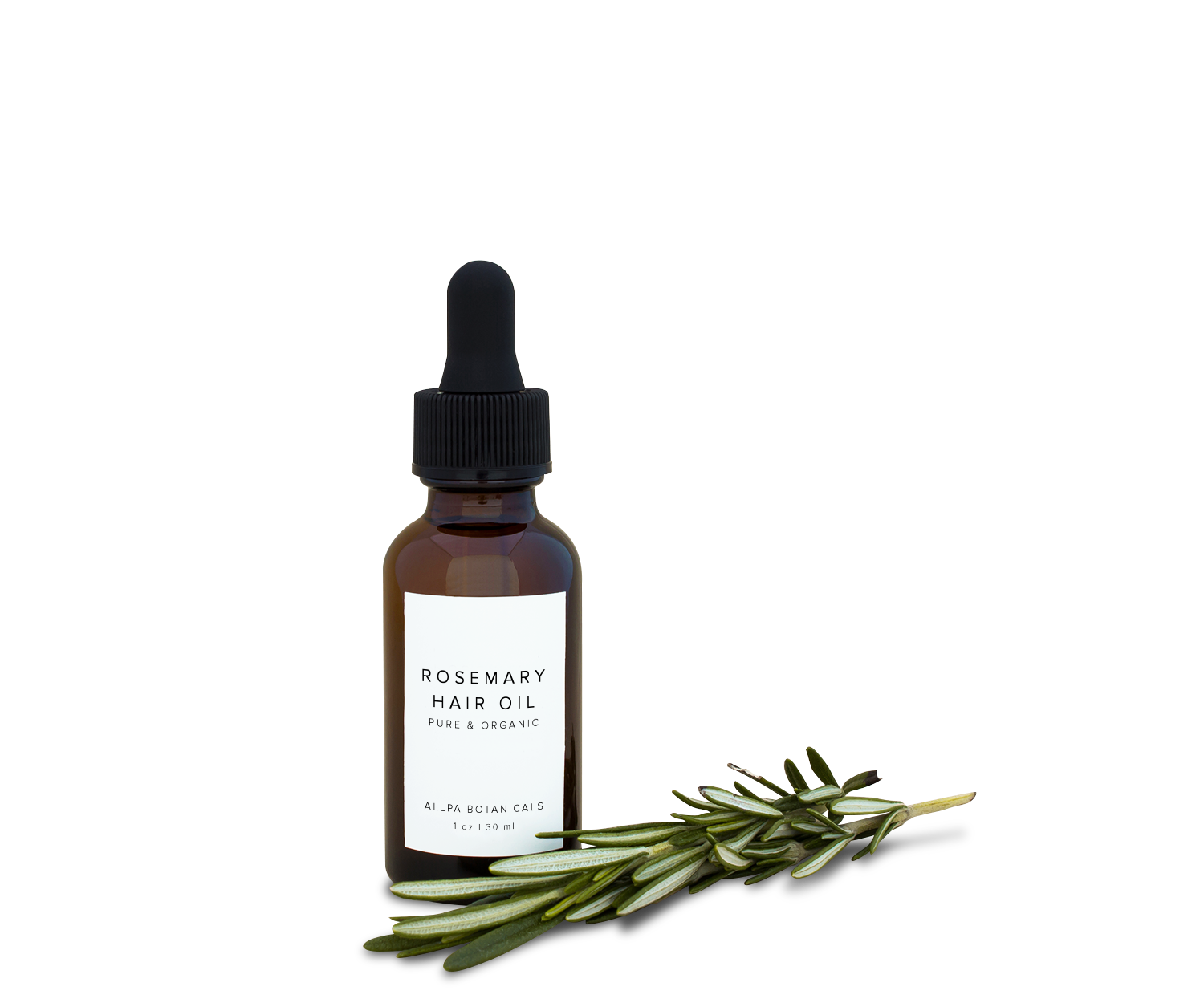
There is one more recent, promising study that looked at the effects of rosemary oil on hair growth. This study was focused on using rosemary oil to treat male pattern baldness. It compared the effects of using rosemary oil with using minoxidil, a common hair growth treatment which is known to be effective. In fact, some studies advise that younger women avoid rosemary oil, as it can cause problems in conception or pregnancy [5]. So be sceptical about claims made (especially in short-form videos, where information is very limited) and make sure you know the risks before using any essential oils for hair growth.
However, if you're prone to buildup or your scalp is naturally oily, you'll probably prefer to wash it out in the morning and may need a clarifying shampoo to get your hair feeling clean. Just massage your scalp with rosemary oil 10 to 15 minutes before hopping in the shower, then wash it out with your usual shampoo and conditioner routine. If you’re working with type-4 hair or ultra-thick/dry/coarse hair that never gets greasy, you have more flexibility in how you apply your rosemary oil. You can use it twice a day by massaging it into your scalp in the morning and then again at night, or just once a day if you have a sensitive scalp (and/or zero time).



No comments:
Post a Comment