Table Of Content

According to Majeed, studies have shown rosemary oil to be effective at healing nerve endings and promoting hair restoration. You might have seen lots of people raving about rosemary oil on TikTok and other social media platforms. But like many YouTubers and bloggers, they’re often paid to promote certain products, so you can’t always be sure their claims are true.
What are the side effects of rosemary oil for hair?
Although research suggests essential oils may have some health benefits, it is important to remember that the Food and Drug Administration (FDA) does not monitor or regulate the purity or quality of these oils. A person should talk with a healthcare professional before using essential oils and research the quality of a particular brand’s products. It is also important to always do a patch test before trying a new essential oil. Science and personal experience together both strongly suggest the essential oil does protect against hair loss, particularly that related to male or female pattern baldness. Here are a few ways to try using rosemary essential oil as a hair restorative and thickener. Use them more often when desired or you’ve become comfortable using them.
Massage, rinse, repeat

These are both terrible ideas – I go into more detail on peer review and problems with relying solely on abstracts in other articles. I’ll also be giving you some tips for critically assessing studies, so you don’t fall for bad science. Rosemary (Rosmarinus officinalis L.) is an herb that has been used in herbal medicine to treat conditions like headaches, insomnia, and depression. In particular, carnosic acid, a component of rosemary, is known to have antioxidant and anti-inflammatory qualities. All products featured on Glamour are independently selected by our editors. However, when you buy something through our retail links, we may earn an affiliate commission.
Risks and Side Effects of Rosemary Oil
Using rosemary oil instead of minoxidil also led to fewer issues with itchy scalp at the three-month and six-month check-ins. Some people should check with their healthcare providers whether it is safe to use rosemary oil topically. This includes pregnant and breastfeeding people and people with certain health conditions or who take certain medications. Once you decide which recipe base to use, you can add rosemary oil to the homemade shampoo. Hair growth results showed that the oleogel continuing rosemary oil had higher effects than cedarwood. The rosemary oil oleogel was found to have similar effects as minoxidil.

Patients were either given rosemary oil or minoxidil 2% and used each treatment for a six month period. The study found that both treatments were equally effective at regrowing hair. Additionally, the study found that people who used rosemary oil were less likely to experience an itchy scalp than people who used minoxidil. While clinical photos are limited, some rosemary oil users have documented their own hair regrowth journey after applying rosemary oil. Let’s take a look at some of the self-reported results of using rosemary oil for hair growth.
For example, one study found that topical application of rosemary oil improved hair growth in mice who were experiencing hair growth issues as a result of testosterone treatment. Although rosemary oil hasn’t been studied extensively as a hair growth product, some studies have found that it may help with hair growth when applied topically to the scalp. This may be due to rosemary’s antioxidant qualities, and because it can increase blood flow to the scalp. Dr. King agrees and adds that rosemary oil can help reduce dandruff, scalp acne, and other types of redness and irritation thanks to its antimicrobial and anti-inflammatory properties. It can be used for all hair types, but Dr. Garshick says that it is especially beneficial for those dealing with hair loss, breakage, or shedding. While applying the pure oil will probably be more effective, you can also put some drops of rosemary oil to your shampoo and let it sit on your scalp for a few minutes to see if the benefits apply there too.
Sam Peters is a seasoned commerce writer and editor with over five years of experience covering beauty, fashion, and lifestyle topics. For this piece, she consulted dermatologists and hair experts about the benefits of rosemary oil. To prevent skin irritation or other side effects, avoid oils that contain fragrances and other artificial ingredients. Some evidence suggests rosemary oil might help prevent premature graying of hair. The research in this area has been limited, and more studies are needed to determine rosemary oil's effects on hair color. The benefits are endorsed due to the plant's antioxidant, anti-inflammatory, and neurological properties.
Ahead, we spoke with board-certified dermatologists and a chemist to determine whether rosemary oil is a legitimate treatment for promoting hair growth. While more research is needed, existing evidence supports rosemary oil as a potential natural hair growth aid worth considering. Rosemary oil (Rosmarinus officinalis L.) contains active compounds that stimulate hair follicles and improve scalp health.
Rosemary Oil for Hair Growth: Does It Work? A Dermatologist Weighs in
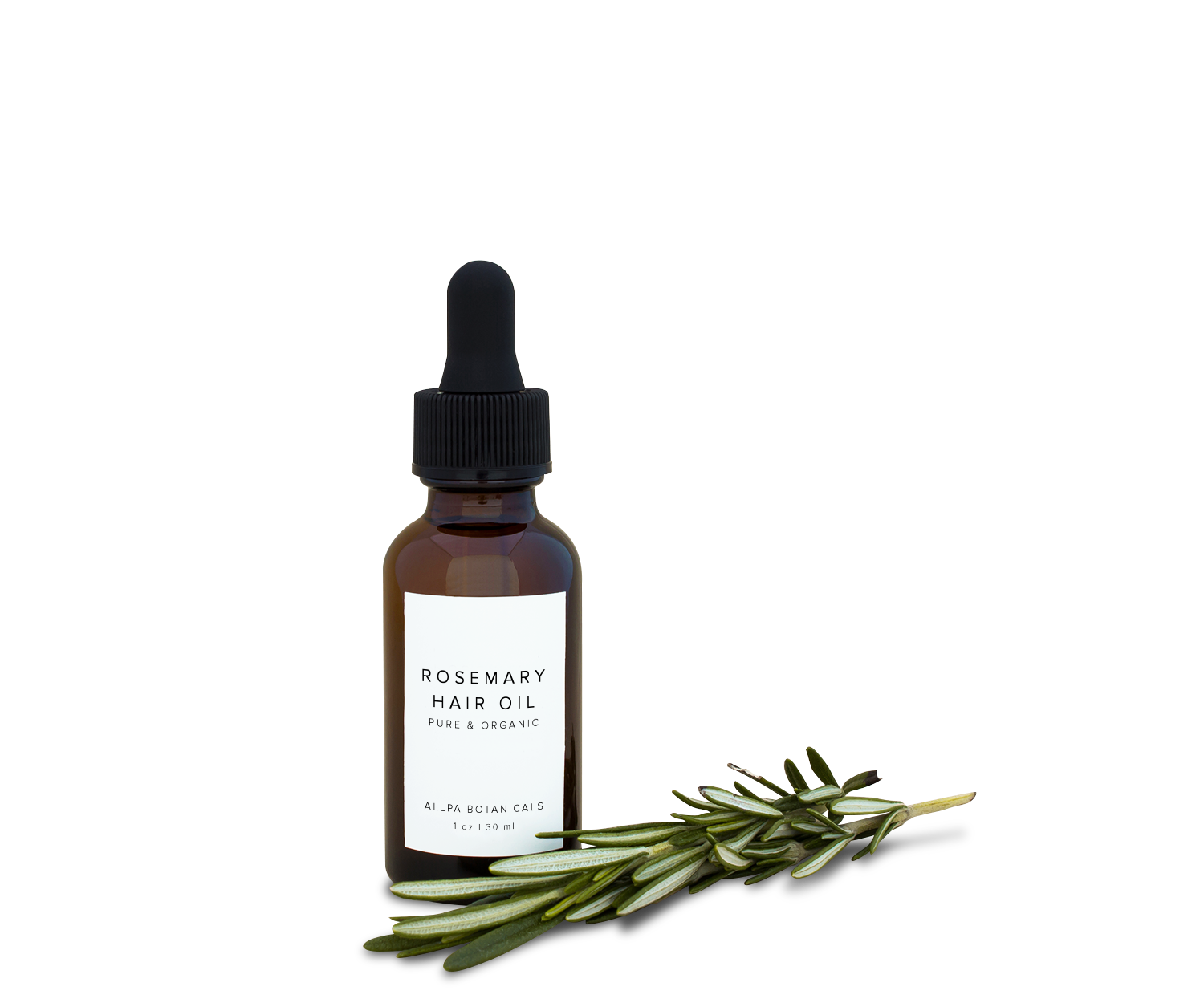
To apply rosemary oil directly to your hair strands, you can add a few drops of the oil to your regular shampoo or conditioner, or create a hair mask by mixing the oil with a carrier oil and leaving it on for minutes before rinsing. However, it's important to note that using too much rosemary oil directly on your hair can lead to dryness and irritation, so be sure to use it in moderation and dilute it properly with a carrier oil,” Fisherman warns. Rosemary oil is typically available in essential oil form, which are highly concentrated natural extracts taken from the leaves, flowers and the stems of the rosemary plant. In this concentrated form, rosemary oil is said to have anti-inflammatory, circulation-improving, and hormone-balancing properties—all of which can contribute to hair growth. For any hair treatment, consistency is key, so you’ll want to find a formula that works with your hair type and schedule.
But people with finer hair might find that using the product makes their locks look greasy or weighed down. Not much is known about rosemary oil's safety in pregnant and breastfeeding people. Even though rosemary oil is used topically, confirming risks and side effects with your healthcare provider is a good idea. The experimental animals were treated with a hair-removal cream, and the oleogels were applied over six weeks.
Kayla Blanton is a freelance writer-editor who covers health, nutrition, and lifestyle topics for various publications including Prevention, Everyday Health, SELF, People, and more. She’s always open to conversations about fueling up with flavorful dishes, busting beauty standards, and finding new, gentle ways to care for our bodies. If you’d rather not take the time to mix your own lotions and potions, you can try a rosemary-infused hair product recommended by stylists Holdsworth and Jacob Schmidt, senior stylist at Sally Hershberger NoMad, below. Keep in mind, though, that there are always risks of contact dermatitis and irritation with any new topical ingredient you try, especially when they involve botanical extracts. So test the oil on the back of your neck first and wait two to three days to see if you have any negative reactions before massaging it all over your scalp. Carnosic acid carries anti-inflammatory and antioxidant properties that can help rejuvenate damaged nerves and tissue in your body.
This editor-approved oil contains over 30 essential oils and nutrients in one bottle, but the VIP is rosemary oil. Growing hair is not an overnight process, so even if your rosemary oil treatment is working, it’s going to take time before you see noticeable changes. Both experts say that typically, it takes six months to notice improvements to hair growth. Every rosemary oil in our edit of the best comes tried and tested by Vogue editors, who have committed to using the product for a full hair growth cycle to properly assess their benefits. We looked for improvements in hair length and fullness, as well as differences in density to areas of hair that had previously been sparse, also considering the weight of the oil on the hair and whether it left any unwanted residue.
I have fine hair and I tried the TikTok viral rosemary hair growth oil shoppers are calling a 'game changer' – my honest ... - HELLO!
I have fine hair and I tried the TikTok viral rosemary hair growth oil shoppers are calling a 'game changer' – my honest ....
Posted: Thu, 04 Apr 2024 07:00:00 GMT [source]
Everyone is struggling with getting ¼ teaspoon of sunscreen on their face – good luck applying 200 times that onto your scalp. 1 mL of 0.25% finasteride is usually used as a scalp treatment per day, so if the rosemary extract was getting into the scalp as well as a really optimised solution of finasteride, you’d need 4.9 grams (0.17 oz) on your scalp. That’s about a teaspoon already – and it needs to be dissolved in something. There’s also the fact that sudden hair loss often happens because of a specific stressful event.
“Others with more sensitive skin may want to use rosemary oil with caution to avoid skin irritation,” Dr. Camp says. A 2023 review compared rosemary oil and minoxidil (commercially known as Rogaine) in the treatment of humans with alopecia (aka hair loss). Results showed that rosemary oil was equal to that of minoxidil, with significant hair growth at the 6-month usage mark. While the rosemary herb can certainly punch up a roasted potato, rosemary essential oil has been used to treat hair loss and stimulate hair growth. There are tons of hair products containing rosemary oil, including shampoos, conditioners, and scalp treatments. Since sifting through hundreds of products and reviews is overwhelming, here's what the pros recommend.
However, it is possible to experience skin irritation or an allergic reaction. Therefore, you should be careful not to apply too much to the scalp. Dilute it with a carrier oil and only use a few drops of rosemary oil. But considering how many different oils are used in haircare products – including jojoba oil, castor oil, almond oil, coconut oil, argan oil and various seed oils – what makes rosemary oil so special, you ask? Even the most effective hair loss solutions still take time to see results. Stick with a regular routine of using rosemary oil for hair growth if you want to see results.